Inbox27.com

Bitcoin and Altcoin news

Author: inbox27

The Dollar-Cost Averaging Strategy for Cryptocurrency Investing

Dollar-cost averaging (DCA) is a long-term investment strategy in which you invest a fixed amount of money in a particular asset at regular intervals, regardless of the price. This helps to smooth out the overall cost of your investment, as you are buying more of the asset when it is lower and less when it is higher.

To apply DCA when investing in cryptocurrency, you would first need to decide how much money you want to invest and how often you want to make purchases. For example, you could decide to invest $100 every week or $500 every month. Once you have decided on your investment amount and frequency, you would need to choose a cryptocurrency exchange or broker that allows you to set up recurring purchases.

Read More

Solana Crypto vs Ethereum

Solana Crypto: The Future of DeFi?

What is Solana?

Solana is a blockchain network that upholds $SOL cryptocurrency. It is known for its fast transactions and low transaction processing costs. Its rival blockchain is Ethereum. Unlike Ethereum, it can handle 3,400 transactions per second while Ethereum can only do 15 transactions per second, making it one of the fastest blockchains in the world. Solana uses POS, which uses hashed timestamps to verify the history of the transactions that occur.

Uses for Solana

If you have a cryptocurrency wallet, Solana is great for sending or receiving money to transfer to exchange for goods and services. Availability for Solana is popular among many people because it is known primarily for its low costs. Examples of what Solana is used for can be for things such as NFT transactions, decentralized finance apps (Runs on P2P blockchain network rather than on one computer), and smart contracts.

Read More

Unlocking the Potential: Exploring the Future of ICP in the Crypto World

Taking the Plunge: My Crypto Adventure with ICP

Hey there, crypto enthusiasts! If you’re reading this, you’ve probably heard about the buzz surrounding a relatively new cryptocurrency called ICP, or Internet Computer Protocol. Well, I couldn’t resist the temptation any longer, so I decided to take the plunge and buy some ICP. Let me walk you through my journey and why I believe ICP has the potential to be a game-changer in the crypto world.

What Is ICP Anyway?

First things first, let’s break it down for the uninitiated. Internet Computer, often abbreviated as ICP, is a cryptocurrency that aims to revolutionize the internet as we know it. It’s not just another run-of-the-mill digital coin; it’s more like an entire blockchain-based internet ecosystem. Think of it as a decentralized version of the internet.

Read More

Should Gary Gensler (SEC) Resign?

Should Gary Gensler (SEC) Resign?

[ai_post_generator_toc]

Introduction

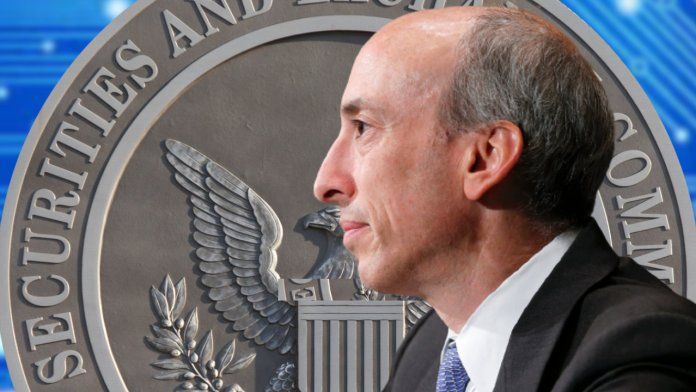
In this blog, we will delve into the question of whether Gary Gensler, the current chairman of the U.S. Securities and Exchange Commission (SEC), should resign. The SEC plays a crucial role in regulating the securities industry and protecting investors. Therefore, any decision regarding the leadership of this organization carries significant implications.

Background of Gary Gensler and the SEC

Gary Gensler assumed the position of SEC chairman in April 2021, bringing with him a wealth of experience in the financial sector. Prior to his appointment, Gensler served as a professor at the Massachusetts Institute of Technology (MIT) Sloan School of Management. He also held key positions during his tenure with the Commodity Futures Trading Commission (CFTC) from 2009 to 2014, where he played a pivotal role in implementing financial regulatory reforms.

Criticisms against Gary Gensler

Despite his extensive background and expertise, Gensler has faced criticism during his time as SEC chairman. One of the main criticisms revolves around his perceived heavy-handed approach to regulation. Critics argue that his strict enforcement policies may stifle innovation and hinder the growth of emerging sectors within the securities industry. They also express concerns about potential overreach and the impact on market participants.

Defense of Gary Gensler’s actions

Proponents of Gensler argue that his strong regulatory stance is necessary to protect investors and maintain market integrity. They believe that his emphasis on transparency and accountability creates a level playing field for both retail and institutional investors. Furthermore, they contend that robust regulation is vital to prevent fraud and misconduct in an ever-evolving financial landscape.

Impact of Gary Gensler’s leadership on the SEC

Gensler’s leadership has undeniably had a significant impact on the SEC and its regulatory agenda. Under his guidance, the SEC has prioritized issues such as climate risk, cybersecurity, and digital assets. Gensler’s focus on these emerging areas reflects the evolving nature of the financial markets and the need for regulatory adaptation.

Analysis of potential consequences if Gary Gensler resigns

If Gary Gensler were to resign, the SEC would face a leadership vacuum at a critical juncture. The departure of a chairman with Gensler’s experience and expertise could disrupt ongoing regulatory initiatives and slow down progress on key policy matters. It could also introduce uncertainty and potentially impact investor confidence in the SEC’s ability to effectively regulate the securities industry.

Conclusion

In conclusion, the question of whether Gary Gensler should resign as SEC chairman is a complex and multifaceted one. While critics raise concerns about his regulatory approach, supporters argue that his strong leadership and commitment to investor protection are necessary for a well-functioning securities industry. Ultimately, the decision regarding Gensler’s resignation rests with him and those overseeing the SEC. Regardless of the outcome, the impact of his tenure will continue to shape the future of securities regulation in the United States.

Thank you for reading this thought-provoking blog.

Safeguarding Your Cryptocurrency Investments: Navigating SEC Regulations

The SEC

The SEC

The world of cryptocurrency has grown exponentially over the past decade, attracting investors from all walks of life. As the crypto market matures, regulatory bodies like the U.S. Securities and Exchange Commission (SEC) are increasingly taking an interest in this innovative space. While the SEC’s involvement is intended to protect investors and ensure market integrity, it’s essential for cryptocurrency enthusiasts to understand how to navigate these regulations to safeguard their investments.

1. Educate Yourself

Before diving into the crypto world, it’s crucial to educate yourself about the intricacies of the market and the regulations that govern it. This includes understanding the differences between various cryptocurrencies, how blockchain technology works, and the potential risks associated with investing in the crypto market. Familiarize yourself with the SEC’s guidelines, statements, and enforcement actions related to cryptocurrencies.

2. Choose Reputable Exchanges

When selecting a cryptocurrency exchange to buy, sell, or trade your digital assets, opt for exchanges that adhere to regulatory standards. Look for platforms that are registered with the appropriate authorities and implement stringent security measures. Reputable exchanges conduct Know Your Customer (KYC) and Anti-Money Laundering (AML) checks to ensure compliance with regulations.

3. Stay Informed About SEC Statements

The SEC regularly releases statements and guidance on its stance toward cryptocurrencies and Initial Coin Offerings (ICOs). Keeping up-to-date with these statements can help you make informed decisions and avoid potential pitfalls. The SEC’s website, official press releases, and public speeches by its representatives are valuable resources for understanding its evolving perspective on cryptocurrencies.

4. Avoid Unregistered Offerings

One area of concern for the SEC is unregistered securities offerings, including certain ICOs and token sales. The Howey Test is often used to determine whether a cryptocurrency is considered a security. If you’re considering investing in a new cryptocurrency, research its legal status and registration with relevant authorities to ensure compliance.

5. Secure Your Investments

Maintain the security of your crypto assets by using hardware wallets or secure software wallets. These wallets offer enhanced protection against hacking attempts and unauthorized access. Implement strong, unique passwords and enable two-factor authentication (2FA) for all your cryptocurrency accounts.

6. Diversify Your Portfolio

Diversification is a fundamental principle of investing. Rather than putting all your funds into a single cryptocurrency, spread your investments across different assets. This strategy can help mitigate risks associated with the volatility of individual cryptocurrencies and the regulatory uncertainties surrounding them.

7. Consult Legal Experts

If you’re unsure about the legal implications of your crypto investments or need guidance on navigating SEC regulations, consider seeking advice from legal professionals experienced in cryptocurrency law. They can help you understand the nuances of regulations and ensure your investments are compliant.

8. Be Wary of Investment Advice

Cryptocurrency communities are rife with investment advice, but not all of it is accurate or well-informed. Exercise caution and critical thinking when considering investment recommendations from online sources, social media, or self-proclaimed experts. Conduct your research and verify information before making any investment decisions.

Conclusion

As the cryptocurrency landscape continues to evolve, regulatory bodies like the SEC play a vital role in ensuring the integrity of the market. While navigating SEC regulations may seem complex, taking the time to educate yourself, choose reputable platforms, and stay informed can help you protect your cryptocurrency investments. By following these guidelines and staying cautious, you can participate in the exciting world of cryptocurrencies while minimizing potential risks. Remember that the crypto market’s growth and regulatory landscape are ongoing, so staying informed remains an ongoing responsibility for any cryptocurrency investor.

Shiba Inu vs Dogecoin: Which Meme Coin is Right for You?

Which Meme Coin Will Win? Shiba Inu vs Dogecoin

Shiba Inu and Dogecoin: A Comparison of the Two Meme Coins

Shiba Inu and Dogecoin: A Comparison of the Two Meme Coins

Shiba Inu and Dogecoin are two of the most popular meme coins in the cryptocurrency market. Both coins are based on the image of the Shiba Inu dog, and they have both been the subject of a great deal of hype and speculation.

So, which meme coin is right for you? In this blog post, we will compare and contrast Shiba Inu and Dogecoin, and we will help you decide which coin is the best fit for your investment goals.

Read More

How to Earn Passive Income with Crypto Staking Rewards

Cardano

Cardano

Crypto staking is a popular way to earn passive income from your cryptocurrency holdings. Staking is the process of locking up your coins in a smart contract or a wallet like Yoroi that supports staking, and receiving rewards for helping to secure the network. Staking rewards are usually paid in the same coin that you stake, but some platforms may offer other incentives such as governance tokens, airdrops, or interest.

Read More

The Pros and Cons of Long-Term Bitcoin Investment

Bitcoin

Bitcoin

Whether or not holding Bitcoin long-term is statistically more profitable is a complex question with no easy answer. There are a number of factors to consider, including the volatility of Bitcoin’s price, the overall state of the economy, and the risk tolerance of the investor.

Historically, Bitcoin has been a very volatile asset. In its short history, it has experienced periods of rapid growth as well as periods of sharp decline. This volatility means that there is a high risk of losing money if you invest in Bitcoin.

However, Bitcoin has also shown a tendency to appreciate in value over the long term. Since its creation in 2009, the price of Bitcoin has increased by over 100,000%. This means that investors who bought Bitcoin early and held it for the long term have made a lot of money.

The overall state of the economy can also affect the profitability of Bitcoin. During times of economic uncertainty, investors may be more likely to turn to Bitcoin as a hedge against inflation. This can drive up the price of Bitcoin and make it more profitable for investors.

Finally, the risk tolerance of the investor is also an important factor to consider. Bitcoin is a high-risk asset, and only investors who are comfortable with the possibility of losing money should invest in it.

Overall, whether or not holding Bitcoin long-term is statistically more profitable is a decision that each investor must make for themselves. There is no guarantee that Bitcoin will continue to appreciate in value over the long term, and there is a high risk of losing money if you invest in it. However, the potential rewards could be significant for investors who are willing to take on the risk.

Here are some additional things to consider when thinking about the profitability of long-term Bitcoin investment:

The supply of Bitcoin is limited. There will only ever be 21 million Bitcoins created. This scarcity could drive up the price of Bitcoin in the long term.

Bitcoin is a decentralized currency. It is not subject to government control or inflation. This makes it an attractive asset for investors who are looking for a hedge against inflation.

Bitcoin is a global currency. It can be used to send and receive money anywhere in the world without the need for a bank or other financial institution. This makes it a convenient and efficient way to transfer money.

Of course, there are also some risks associated with long-term Bitcoin investment. These risks include:

  • Bitcoin is a volatile asset. The price of Bitcoin can fluctuate wildly, and there is a risk of losing money if you invest in it.
  • Bitcoin is a new and untested technology. There is no guarantee that it will continue to be successful in the long term.
  • Bitcoin is not regulated by any government. This means that there is no protection for investors if something goes wrong.
  • Overall, whether or not long-term Bitcoin investment is a good idea for you depends on your individual circumstances and risk tolerance. If you are comfortable with the risks involved and believe in the long-term potential of Bitcoin, then it could be a good investment for you.

What Makes Bitcoin Valuable?

Bitcoin is valuable for a number of reasons, including:

Scarcity: There will only ever be 21 million Bitcoins created. This scarcity, combined with the fact that Bitcoin is a decentralized currency not subject to government control, makes it an attractive asset for investors who are looking for a hedge against inflation.

Divisibility: Bitcoin can be divided into smaller units, called Satoshi’s. This makes it a convenient and efficient way to transfer money.
Security: Bitcoin transactions are secured by cryptography. This means that they are very difficult to counterfeit or hack.

Acceptance: Bitcoin is increasingly accepted as a payment method by businesses around the world. This makes it more valuable as a currency.

Durability: Bitcoin is stored in a digital ledger called the blockchain. This ledger is distributed across a network of computers, making it very difficult to tamper with.

Transparency: All Bitcoin transactions are recorded on the blockchain. This makes it a very transparent currency.
These are just some of the reasons why Bitcoin is valuable. As the technology continues to develop and more businesses accept Bitcoin as a payment method, its value is likely to continue to grow.

Here are some additional thoughts on the value of Bitcoin:

Bitcoin is a store of value. This means that it can be used to store wealth over time.
Bitcoin is a unit of account. This means that it can be used to measure the value of goods and services.
Bitcoin is a medium of exchange. This means that it can be used to buy and sell goods and services.
Bitcoin is still a relatively new asset, and its value is volatile. However, it has the potential to revolutionize the way we think about money.

Why are people moving away from Fiat and Gold?
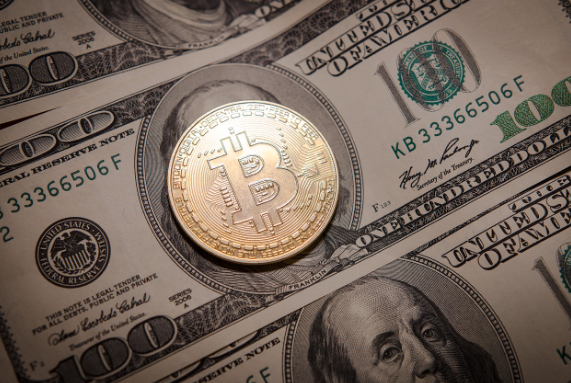
Bitcoin vs Fiat

Bitcoin vs Fiat

Bitcoin is valuable for a number of reasons, including:

Scarcity: There will only ever be 21 million Bitcoins created. This scarcity, combined with the fact that Bitcoin is a decentralized currency not subject to government control, makes it an attractive asset for investors who are looking for a hedge against inflation.

Divisibility: Bitcoin can be divided into smaller units, called Satoshi’s. This makes it a convenient and efficient way to transfer money.
Security: Bitcoin transactions are secured by cryptography. This means that they are very difficult to counterfeit or hack.

Acceptance: Bitcoin is increasingly accepted as a payment method by businesses around the world. This makes it more valuable as a currency.
Durability: Bitcoin is stored in a digital ledger called the blockchain. This ledger is distributed across a network of computers, making it very difficult to tamper with.

Transparency: All Bitcoin transactions are recorded on the blockchain. This makes it a very transparent currency.
These are just some of the reasons why Bitcoin is valuable. As the technology continues to develop and more businesses accept Bitcoin as a payment method, its value is likely to continue to grow.

Here are some additional thoughts on the value of Bitcoin:

Bitcoin is a store of value. This means that it can be used to store wealth over time.
Bitcoin is a unit of account. This means that it can be used to measure the value of goods and services.
Bitcoin is a medium of exchange. This means that it can be used to buy and sell goods and services.
Bitcoin is still a relatively new asset, and its value is volatile. However, it has the potential to revolutionize the way we think about money.

Bottom Line:

The bottom line for Bitcoin, blockchain, and the future is that it has the potential to revolutionize the way we think about money.

Bitcoin is a digital currency that is not subject to government control or inflation. It is also a decentralized currency, which means that it is not controlled by any one entity. This makes it a more secure and reliable currency than fiat or gold.

Blockchain is the underlying technology that powers Bitcoin. It is a distributed ledger that records all Bitcoin transactions. This makes it a very transparent and secure system.

As the technology continues to develop and more businesses accept Bitcoin as a payment method, its value is likely to continue to grow. It is possible that Bitcoin could eventually replace fiat or gold as the world’s reserve currency.

Here are some of the potential benefits of Bitcoin and blockchain technology:

Faster and cheaper transactions: Bitcoin transactions are processed on a decentralized network of computers, rather than through a central bank or financial institution. This makes them faster and cheaper than traditional fiat currency transactions.

More secure transactions: Bitcoin transactions are secured by cryptography, which makes them very difficult to counterfeit or hack.
More transparent transactions: All Bitcoin transactions are recorded on the blockchain, which makes them very transparent.
Easier international payments: Bitcoin can be used to make international payments without the need for a third party, such as a bank or financial institution. This can save time and money.

Reduced fraud: Bitcoin transactions are very difficult to counterfeit or hack, which can help to reduce fraud.
More efficient financial markets: Bitcoin can be used to create more efficient financial markets, as it can be used to make secure and fast transactions between buyers and sellers.

Of course, there are also some risks associated with Bitcoin and blockchain technology. These risks include:

Volatility: The price of Bitcoin can fluctuate wildly, and there is a risk of losing money if you invest in it.
New technology: Blockchain is a new technology, and there is no guarantee that it will be successful in the long term.
Regulation: Governments around the world are still trying to figure out how to regulate Bitcoin and blockchain technology. This could stifle innovation in the space.

Overall, the bottom line for Bitcoin and blockchain technology is that it has the potential to revolutionize the way we think about money. However, there are also some risks associated with this technology, and it is important to do your research before investing in Bitcoin or blockchain technology.

Cryptocurrency Companies under Scrutiny: SEC Lawsuits and Investor Protection Strategies

Navigating the SEC Storm: Safeguarding Retail Investors in the Cryptocurrency Market

Unveiling the SEC’s Cryptocurrency Crackdown

The Securities and Exchange Commission (SEC) has been cracking down on cryptocurrency companies in recent years, filing a number of lawsuits against firms that it alleges have violated securities laws. This has raised concerns among retail investors, who are wondering what they should do to protect themselves from potential losses.

Read More

Technical Analysis of Bitcoin as of May 26, 2023

Bitcoin Technical Analysis

Bitcoin Technical Analysis

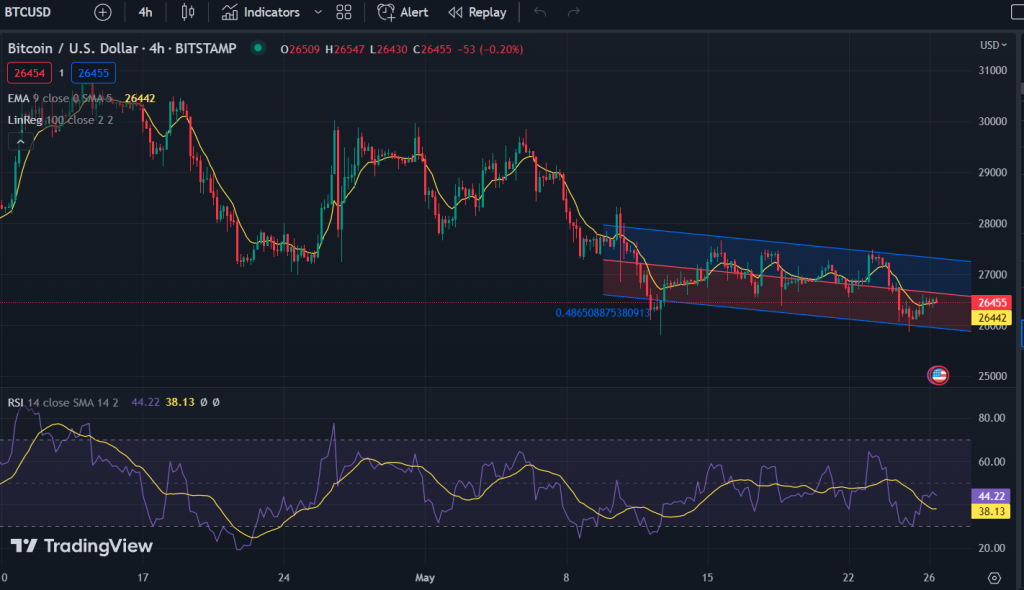
Technical analysis of Bitcoin as of May 26, 2023:

Price:

Bitcoin is currently trading at $26,500. This is a significant drop from its all-time high of $68,789, which it reached in November 2021.

Moving averages: The 50-day moving average is currently at $32,000, and the 200-day moving average is currently at $37,000. This suggests that Bitcoin is still in a downtrend.

Technical indicators: The Relative Strength Index (RSI) is currently at 37, which is below the 50% mark. This suggests that Bitcoin is oversold and could be due for a rebound. However, the MACD indicator is still in a bearish trend, which suggests that the downtrend is still in place.1

Fundamental factors: The recent sell-off in Bitcoin has been driven by a number of factors, including the ongoing war in Ukraine, rising inflation, and the Federal Reserve’s plans to raise interest rates. These factors have created a negative environment for risk assets, including Bitcoin.

Overall, the technical analysis suggests that Bitcoin is still in a downtrend. However, the RSI indicator suggests that Bitcoin could be due for a rebound. The fundamental factors, however, are still negative, which could limit the upside potential.

Read More