Cryptocurrency isn’t just about trading volatile assets anymore. With the rise of proof-of-stake (PoS) blockchains, a passive income game called staking has emerged, offering crypto enthusiasts a new way to earn rewards on their holdings. But if you’re still scratching your head and wondering “what are staking rewards?”, buckle up – this blog post is your ultimate guide.

Cardano
Crypto staking is a popular way to earn passive income from your cryptocurrency holdings. Staking is the process of locking up your coins in a smart contract or a wallet like Yoroi that supports staking, and receiving rewards for helping to secure the network. Staking rewards are usually paid in the same coin that you stake, but some platforms may offer other incentives such as governance tokens, airdrops, or interest.

Crypto Staking Rewards
In the world of cryptocurrencies, staking has emerged as a popular way to earn passive income by holding and locking up coins in a digital wallet. Staking involves holding a certain amount of a cryptocurrency in a wallet and using it to validate transactions on the network. In exchange for this service, stakers earn rewards in the form of more of the same cryptocurrency. In this article, we’ll explore how staking rewards work and how you can use them to generate income.

Cosmos Atom
Cosmos (ATOM) is a cryptocurrency and blockchain platform that aims to solve the problem of blockchain interoperability. It was founded in 2014 by Jae Kwon and is developed by the Interchain Foundation, a Swiss non-profit organization. Cosmos allows for the creation of independent, sovereign blockchains that can communicate with each other using a common protocol called the Inter-Blockchain Communication (IBC) protocol. In this article, we will explore Cosmos in more detail, including its staking rewards, use case, and factors that could drive its demand.
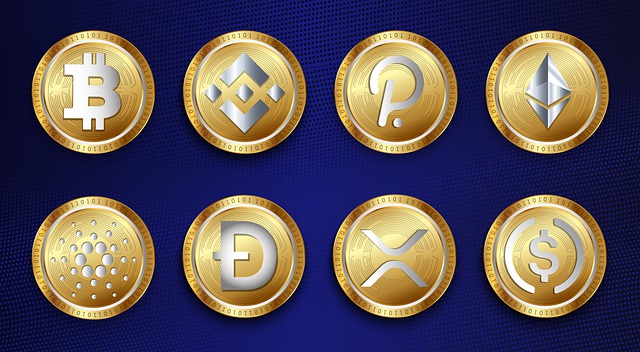
Cryptocurrency
Cryptocurrencies and the question of whether they are considered securities by the United States Securities and Exchange Commission (SEC) have been a topic of intense debate in recent years. The answer to this question is crucial as it has far-reaching implications for the regulation, development, and adoption of cryptocurrencies.