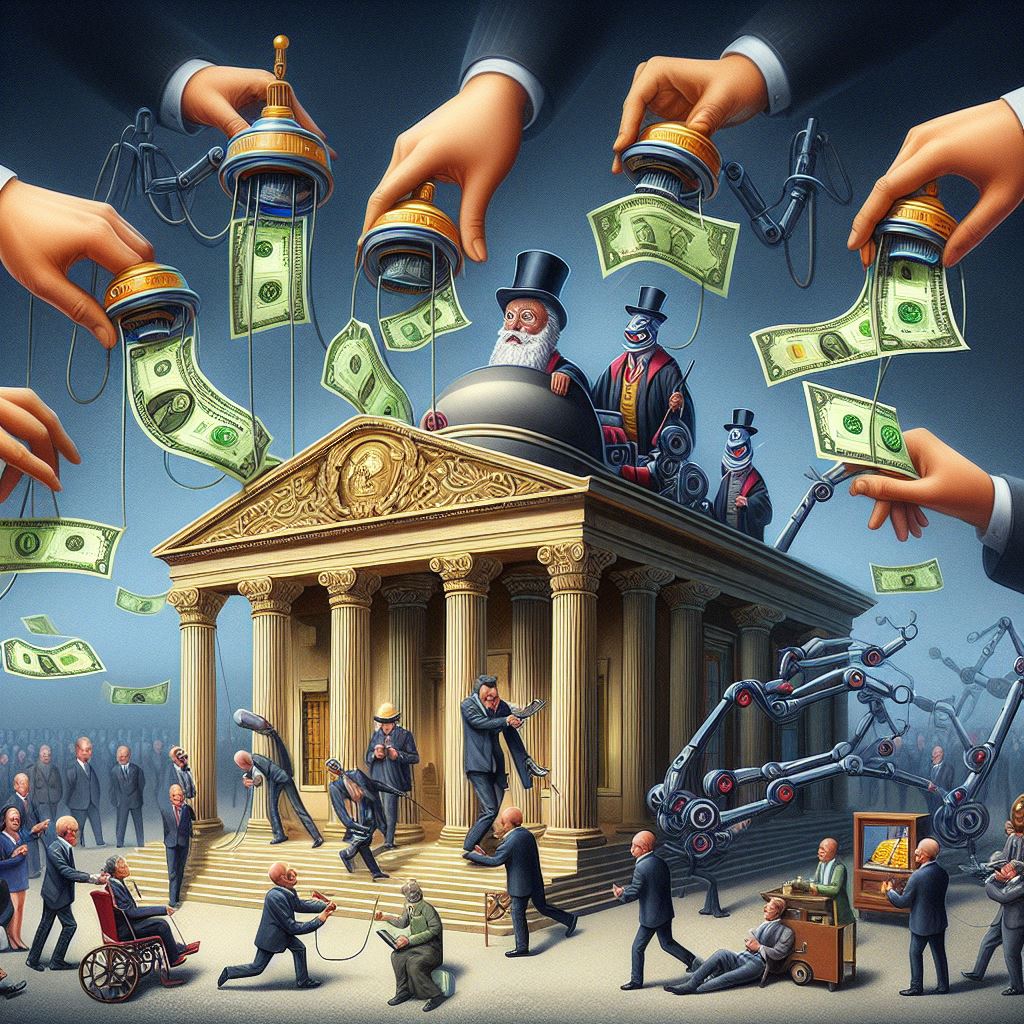
The unthinkable has happened. Bitcoin, the titan of decentralized finance, has plummeted back to $95,000, sending shockwaves through the crypto community. Just weeks ago, Bitcoin was hovering near $110,000, defying critics and capturing imaginations worldwide. Now, the dramatic crash has left even seasoned hodlers stunned. How could this happen? Why now? And most importantly—what comes next?
25 Businesses Where You Can Spend Bitcoin
Bitcoin, the pioneering cryptocurrency, has gained significant traction in recent years, with more and more businesses accepting it as a form of payment. This growing adoption reflects the increasing ease of use and accessibility of Bitcoin, making it a convenient and secure option for both businesses and consumers.
How New Leadership Could Transform Crypto Regulations
The winds of change are sweeping through the crypto world as the United States gears up for a new administration. With each shift in leadership comes the potential for significant regulatory changes, especially in an area as dynamic and rapidly evolving as cryptocurrency.
Bitcoin’s Potential as Digital Gold: A Comparison with Gold as a Store of Value and Safe Haven Asset
For centuries, gold has been regarded as the ultimate store of value and safe haven asset, a hedge against inflation, economic downturns, and geopolitical risks. However, with the rise of digital currencies, particularly Bitcoin, the financial landscape is changing. Many proponents argue that Bitcoin is the “digital gold” of the 21st century. But how valid is this comparison? Let’s dive into the similarities and differences between Bitcoin and gold in terms of being a store of value and safe haven asset.
How the Federal Reserve, Central Banks, and Interest Rates Impact the Crypto Market
Introduction
The cryptocurrency market is known for its volatility and rapid changes, often influenced by various economic factors. Among these, the policies and actions of the Federal Reserve and other central banks play a crucial role. This blog post explores how interest rates set by these institutions impact the crypto market, affecting everything from investor behavior to market stability.
Understanding Interest Rates and Central Banks
Central banks, such as the Federal Reserve in the United States, use interest rates as a tool to control economic activity. By adjusting the federal funds rate, they influence borrowing costs, consumer spending, and overall economic growth. Lower interest rates typically encourage borrowing and spending, while higher rates aim to curb inflation by making borrowing more expensive.
Bitcoin, the world’s first decentralized cryptocurrency, has steadily gained acceptance as a legitimate asset class. As the digital currency market matures, nations are exploring its potential as a strategic reserve asset. This blog post explores why Bitcoin should be considered by the US government as a strategic reserve asset, highlighting its unique advantages and potential economic impacts.
Decoding Bitcoin Halving: A Scarcity-Driven Price Surge
1. The Basics of Bitcoin Halving
What Is Bitcoin Halving?
Bitcoin halving is a predetermined event that occurs approximately every four years (specifically every 210,000 blocks). During this event, the block reward for miners is cut in half. In other words, the number of newly minted Bitcoins awarded to miners decreases by 50%. This reduction in the rate of new BTC issuance is a fundamental aspect of Bitcoin’s monetary policy.
Why Does It Happen?
Bitcoin’s creator, Satoshi Nakamoto, designed the protocol with a fixed supply cap of 21 million coins. By halving the block reward periodically, Bitcoin ensures a gradual and predictable issuance schedule. This scarcity-driven approach mirrors precious metals like gold, where scarcity contributes to their value.
2. Supply and Demand Dynamics
Reduced Supply and Scarcity Effect
The halving event directly impacts the available supply of Bitcoin. Here’s how it affects the market:
- Reduced Supply: When a halving occurs, the rate at which new BTC enters circulation decreases. Miners receive fewer rewards for their computational work. This reduction in supply is akin to a digital gold mine producing fewer ounces of gold each year.
- Scarcity Effect: Basic economics tells us that when supply decreases while demand remains steady or increases, prices tend to rise. Bitcoin’s controlled supply, combined with growing global interest, creates a scarcity effect. Investors recognize that there will never be more than 21 million Bitcoins, making it a finite resource.
Historical Price Movements
Let’s examine the past halving events:
- 2012 Halving: The first halving occurred in November 2012. Prior to the event, Bitcoin traded around $12. After the halving, its price surged to over $1,000 within a year.
- 2016 Halving: The second halving took place in July 2016. Bitcoin was trading around $650 before the event. Post-halving, it soared to nearly $20,000 by the end of 2017.
- 2020 Halving: The most recent halving happened in May 2020. Bitcoin’s price was around $8,500 before the event. Within months, it surpassed $60,000.
Bitcoin’s Deflationary Nature
Bitcoin’s scarcity and halving events contribute to its deflationary properties. Unlike fiat currencies subject to inflation (central banks can print more money), Bitcoin’s supply is capped. As the network matures and adoption grows, the deflationary narrative strengthens.
3. Long-Term Value Appreciation
Hodling and Investor Sentiment
“Hodling” (holding Bitcoin long-term) has become a popular strategy. Investors recognize that each halving reduces the rate of new supply, making existing coins more valuable. This sentiment reinforces Bitcoin’s store-of-value proposition.
Network Effects and Adoption
Bitcoin’s value also stems from its network effects. As more individuals, institutions, and countries adopt it, the demand increases. The scarcity-driven narrative amplifies this effect. Institutional interest (e.g., Grayscale, MicroStrategy, and Tesla) further validates Bitcoin’s role as a hedge against traditional financial systems.
The Road Ahead
With the next halving expected around 2024, the Bitcoin community eagerly awaits the event. As the supply dwindles, demand will play an even more critical role. Factors like regulatory clarity, technological advancements, and macroeconomic conditions will shape Bitcoin’s future.
Conclusion
Bitcoin halving is more than a technical adjustment; it’s a fundamental shift in the cryptocurrency’s supply dynamics. Scarcity, investor sentiment, and adoption drive its value. Whether you’re a seasoned trader or a curious observer, understanding halving events is essential for navigating the crypto landscape.
Feel free to choose the title that resonates with you, and I’ll expand upon it further if needed! 🚀🔍


Government Controlled Fiat
The financial landscape is undergoing a paradigm shift, fueled by the emergence of digital currencies like Bitcoin. Unlike traditional, government-issued fiat currencies, Bitcoin boasts unique characteristics that challenge the status quo and raise eyebrows among authorities. But what exactly sets these two worlds apart?

Sneaky Tactics Hedge Funds
Hey Crypto Crew! Let’s dive into the wild world of Bitcoin and spill the beans on how some big-shot hedge funds might be messing with its price. Buckle up as we spill the tea on who’s behind it, how they pull it off, and most importantly, how you can keep your precious Bitcoin safe from their shenanigans.

Bitcoin ETFs by the SEC
The year 2024 started with a bang for the crypto industry, witnessing the long-awaited approval of spot Bitcoin ETFs in the United States. These ETFs track the price of Bitcoin directly, offering traditional investors an easier and more familiar way to gain exposure to the world’s leading cryptocurrency.