Bitcoin
Whether or not holding Bitcoin long-term is statistically more profitable is a complex question with no easy answer. There are a number of factors to consider, including the volatility of Bitcoin’s price, the overall state of the economy, and the risk tolerance of the investor.
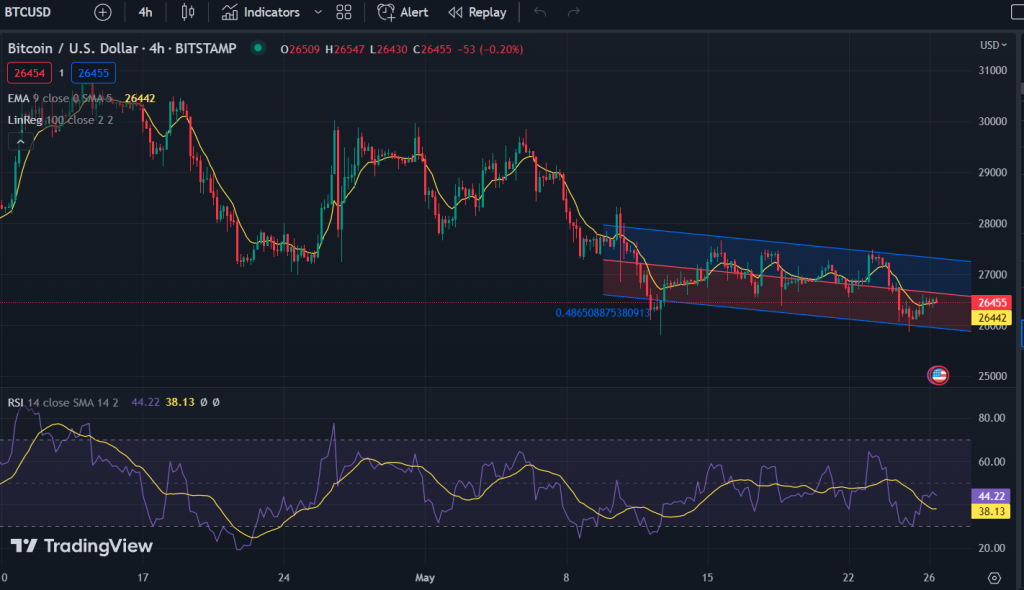
Historically, Bitcoin has been a very volatile asset. In its short history, it has experienced periods of rapid growth as well as periods of sharp decline. This volatility means that there is a high risk of losing money if you invest in Bitcoin.
However, Bitcoin has also shown a tendency to appreciate in value over the long term. Since its creation in 2009, the price of Bitcoin has increased by over 100,000%. This means that investors who bought Bitcoin early and held it for the long term have made a lot of money.
The overall state of the economy can also affect the profitability of Bitcoin. During times of economic uncertainty, investors may be more likely to turn to Bitcoin as a hedge against inflation. This can drive up the price of Bitcoin and make it more profitable for investors.
Finally, the risk tolerance of the investor is also an important factor to consider. Bitcoin is a high-risk asset, and only investors who are comfortable with the possibility of losing money should invest in it.
Overall, whether or not holding Bitcoin long-term is statistically more profitable is a decision that each investor must make for themselves. There is no guarantee that Bitcoin will continue to appreciate in value over the long term, and there is a high risk of losing money if you invest in it. However, the potential rewards could be significant for investors who are willing to take on the risk.
Here are some additional things to consider when thinking about the profitability of long-term Bitcoin investment:
The supply of Bitcoin is limited. There will only ever be 21 million Bitcoins created. This scarcity could drive up the price of Bitcoin in the long term.
Bitcoin is a decentralized currency. It is not subject to government control or inflation. This makes it an attractive asset for investors who are looking for a hedge against inflation.
Bitcoin is a global currency. It can be used to send and receive money anywhere in the world without the need for a bank or other financial institution. This makes it a convenient and efficient way to transfer money.
Of course, there are also some risks associated with long-term Bitcoin investment. These risks include:
- Bitcoin is a volatile asset. The price of Bitcoin can fluctuate wildly, and there is a risk of losing money if you invest in it.
- Bitcoin is a new and untested technology. There is no guarantee that it will continue to be successful in the long term.
- Bitcoin is not regulated by any government. This means that there is no protection for investors if something goes wrong.
- Overall, whether or not long-term Bitcoin investment is a good idea for you depends on your individual circumstances and risk tolerance. If you are comfortable with the risks involved and believe in the long-term potential of Bitcoin, then it could be a good investment for you.
What Makes Bitcoin Valuable?
Bitcoin is valuable for a number of reasons, including:
Scarcity: There will only ever be 21 million Bitcoins created. This scarcity, combined with the fact that Bitcoin is a decentralized currency not subject to government control, makes it an attractive asset for investors who are looking for a hedge against inflation.
Divisibility: Bitcoin can be divided into smaller units, called Satoshi’s. This makes it a convenient and efficient way to transfer money.
Security: Bitcoin transactions are secured by cryptography. This means that they are very difficult to counterfeit or hack.
Acceptance: Bitcoin is increasingly accepted as a payment method by businesses around the world. This makes it more valuable as a currency.
Durability: Bitcoin is stored in a digital ledger called the blockchain. This ledger is distributed across a network of computers, making it very difficult to tamper with.
Transparency: All Bitcoin transactions are recorded on the blockchain. This makes it a very transparent currency.
These are just some of the reasons why Bitcoin is valuable. As the technology continues to develop and more businesses accept Bitcoin as a payment method, its value is likely to continue to grow.
Here are some additional thoughts on the value of Bitcoin:
Bitcoin is a store of value. This means that it can be used to store wealth over time.
Bitcoin is a unit of account. This means that it can be used to measure the value of goods and services.
Bitcoin is a medium of exchange. This means that it can be used to buy and sell goods and services.
Bitcoin is still a relatively new asset, and its value is volatile. However, it has the potential to revolutionize the way we think about money.
Why are people moving away from Fiat and Gold?
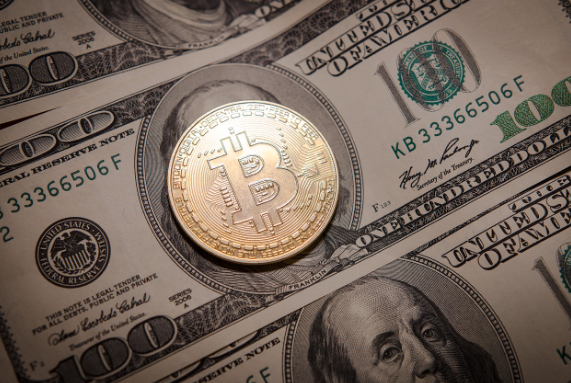
Bitcoin vs Fiat
Bitcoin is valuable for a number of reasons, including:
Scarcity: There will only ever be 21 million Bitcoins created. This scarcity, combined with the fact that Bitcoin is a decentralized currency not subject to government control, makes it an attractive asset for investors who are looking for a hedge against inflation.
Divisibility: Bitcoin can be divided into smaller units, called Satoshi’s. This makes it a convenient and efficient way to transfer money.
Security: Bitcoin transactions are secured by cryptography. This means that they are very difficult to counterfeit or hack.
Acceptance: Bitcoin is increasingly accepted as a payment method by businesses around the world. This makes it more valuable as a currency.
Durability: Bitcoin is stored in a digital ledger called the blockchain. This ledger is distributed across a network of computers, making it very difficult to tamper with.
Transparency: All Bitcoin transactions are recorded on the blockchain. This makes it a very transparent currency.
These are just some of the reasons why Bitcoin is valuable. As the technology continues to develop and more businesses accept Bitcoin as a payment method, its value is likely to continue to grow.
Here are some additional thoughts on the value of Bitcoin:
Bitcoin is a store of value. This means that it can be used to store wealth over time.
Bitcoin is a unit of account. This means that it can be used to measure the value of goods and services.
Bitcoin is a medium of exchange. This means that it can be used to buy and sell goods and services.
Bitcoin is still a relatively new asset, and its value is volatile. However, it has the potential to revolutionize the way we think about money.
Bottom Line:
The bottom line for Bitcoin, blockchain, and the future is that it has the potential to revolutionize the way we think about money.
Bitcoin is a digital currency that is not subject to government control or inflation. It is also a decentralized currency, which means that it is not controlled by any one entity. This makes it a more secure and reliable currency than fiat or gold.
Blockchain is the underlying technology that powers Bitcoin. It is a distributed ledger that records all Bitcoin transactions. This makes it a very transparent and secure system.
As the technology continues to develop and more businesses accept Bitcoin as a payment method, its value is likely to continue to grow. It is possible that Bitcoin could eventually replace fiat or gold as the world’s reserve currency.
Here are some of the potential benefits of Bitcoin and blockchain technology:
Faster and cheaper transactions: Bitcoin transactions are processed on a decentralized network of computers, rather than through a central bank or financial institution. This makes them faster and cheaper than traditional fiat currency transactions.
More secure transactions: Bitcoin transactions are secured by cryptography, which makes them very difficult to counterfeit or hack.
More transparent transactions: All Bitcoin transactions are recorded on the blockchain, which makes them very transparent.
Easier international payments: Bitcoin can be used to make international payments without the need for a third party, such as a bank or financial institution. This can save time and money.
Reduced fraud: Bitcoin transactions are very difficult to counterfeit or hack, which can help to reduce fraud.
More efficient financial markets: Bitcoin can be used to create more efficient financial markets, as it can be used to make secure and fast transactions between buyers and sellers.
Of course, there are also some risks associated with Bitcoin and blockchain technology. These risks include:
Volatility: The price of Bitcoin can fluctuate wildly, and there is a risk of losing money if you invest in it.
New technology: Blockchain is a new technology, and there is no guarantee that it will be successful in the long term.
Regulation: Governments around the world are still trying to figure out how to regulate Bitcoin and blockchain technology. This could stifle innovation in the space.
Overall, the bottom line for Bitcoin and blockchain technology is that it has the potential to revolutionize the way we think about money. However, there are also some risks associated with this technology, and it is important to do your research before investing in Bitcoin or blockchain technology.